Product Introduction
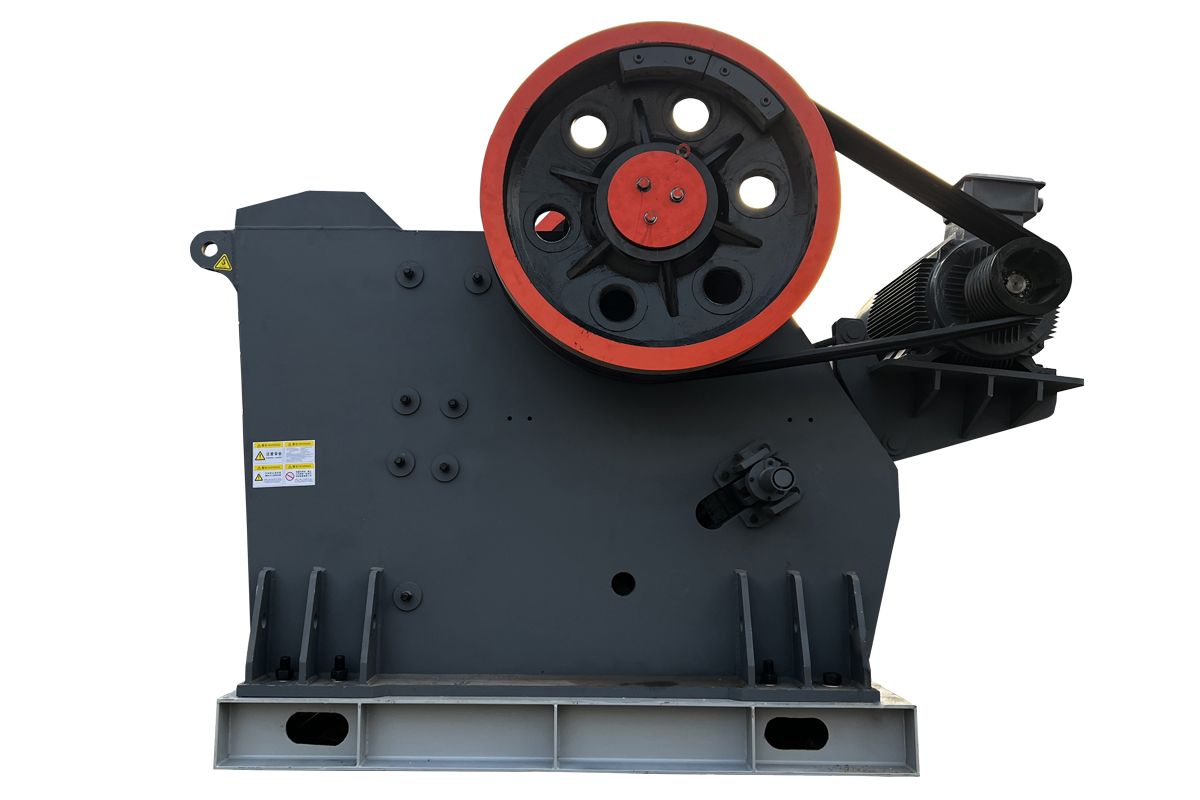
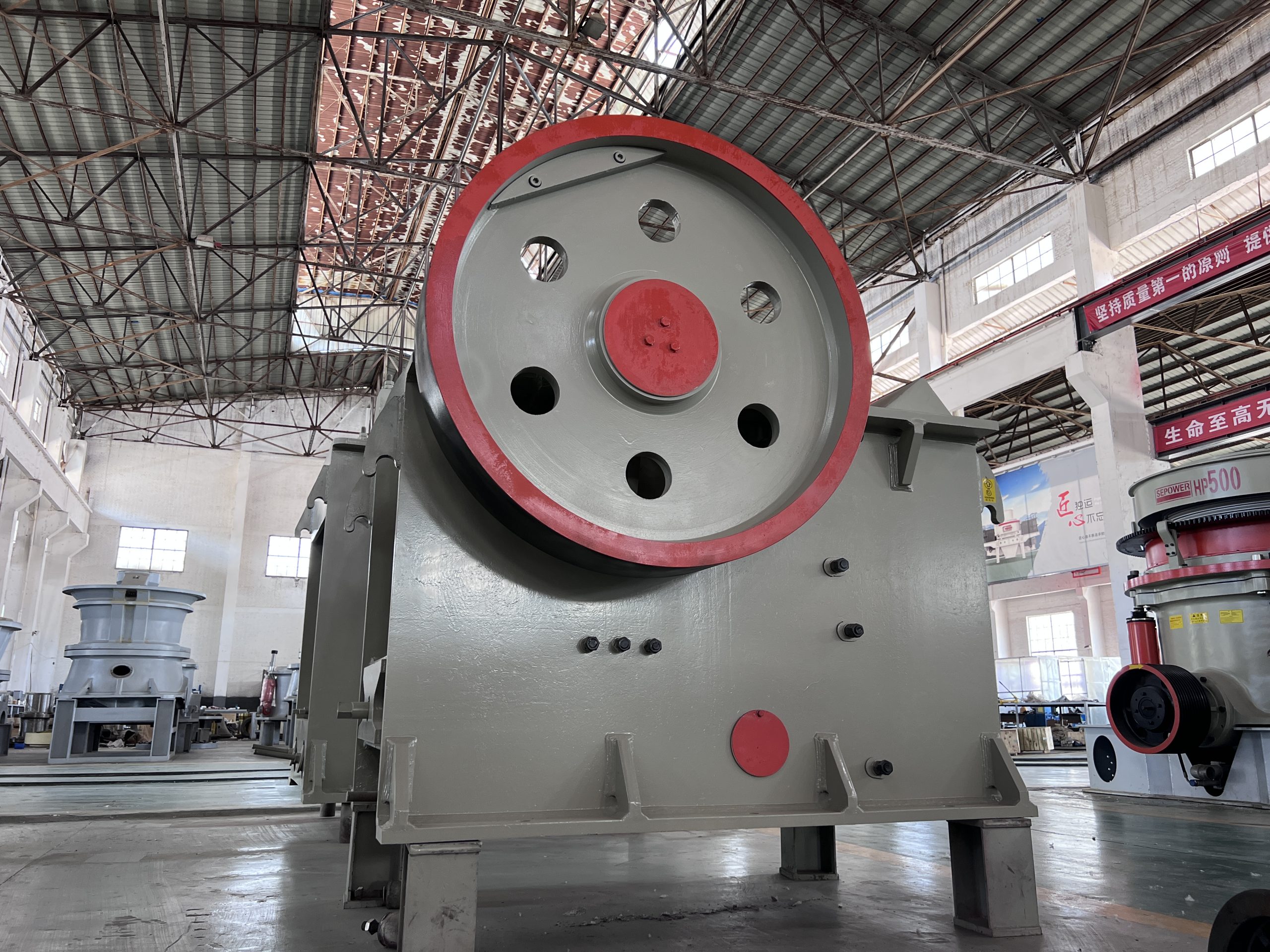
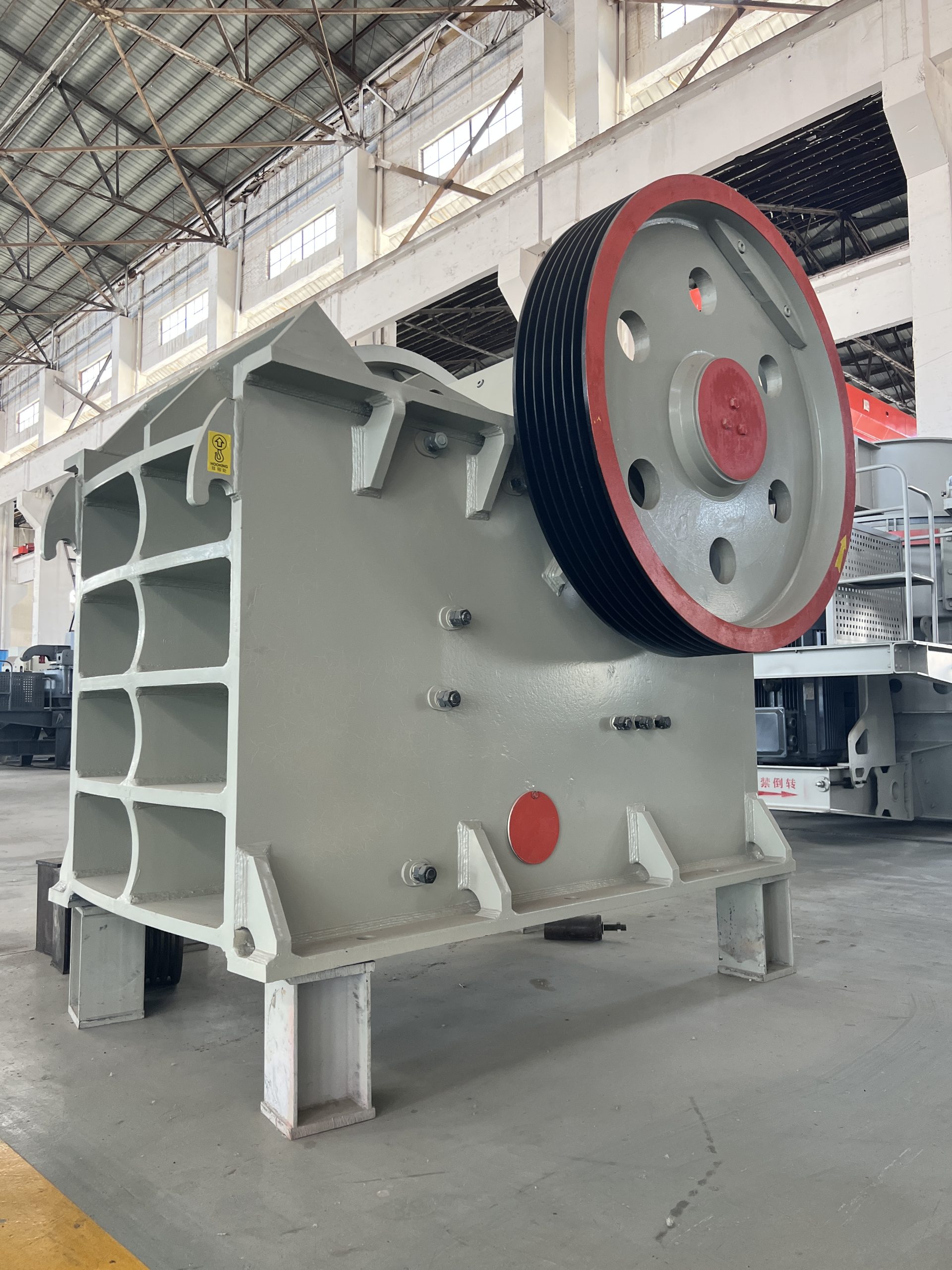
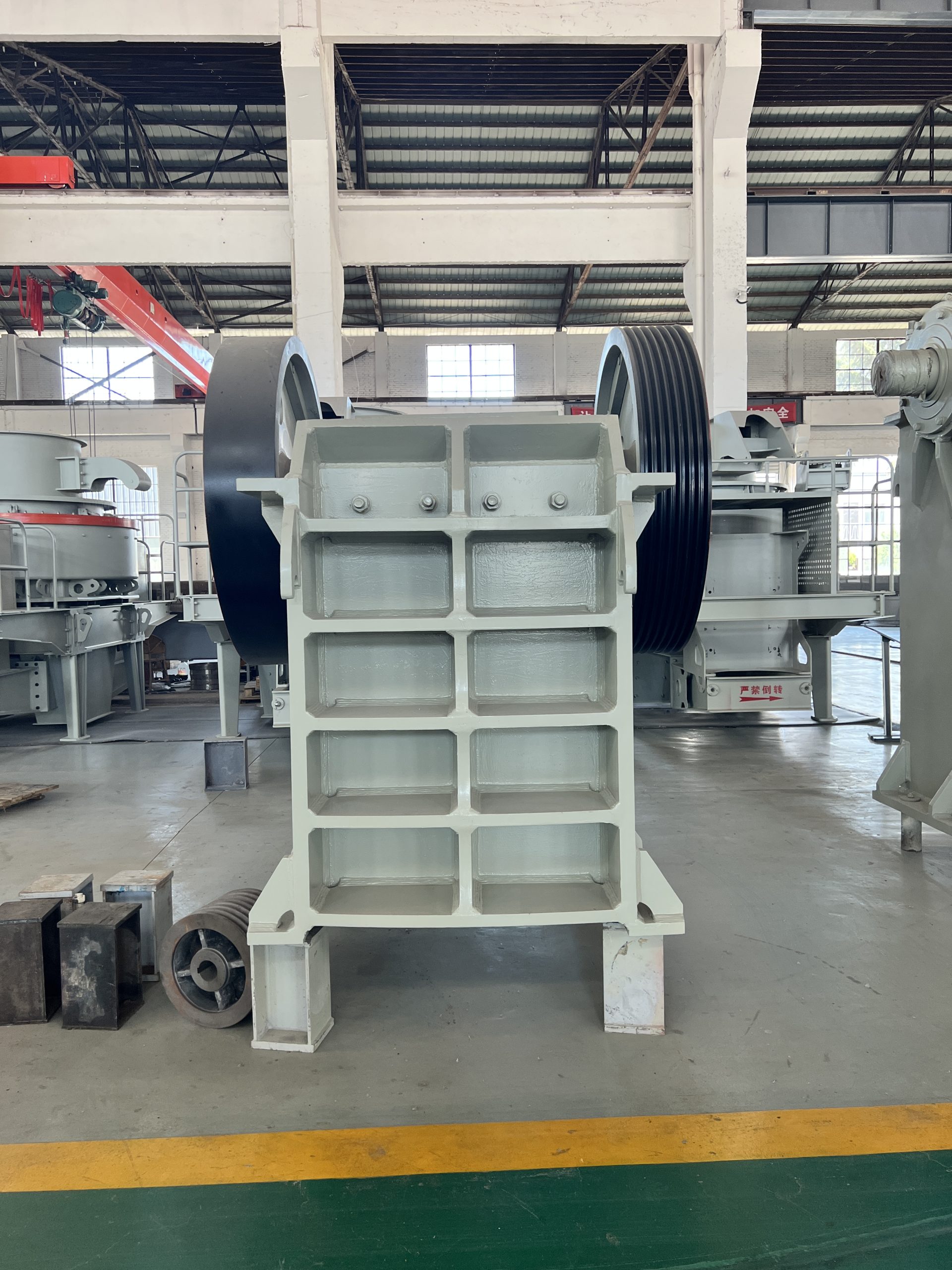
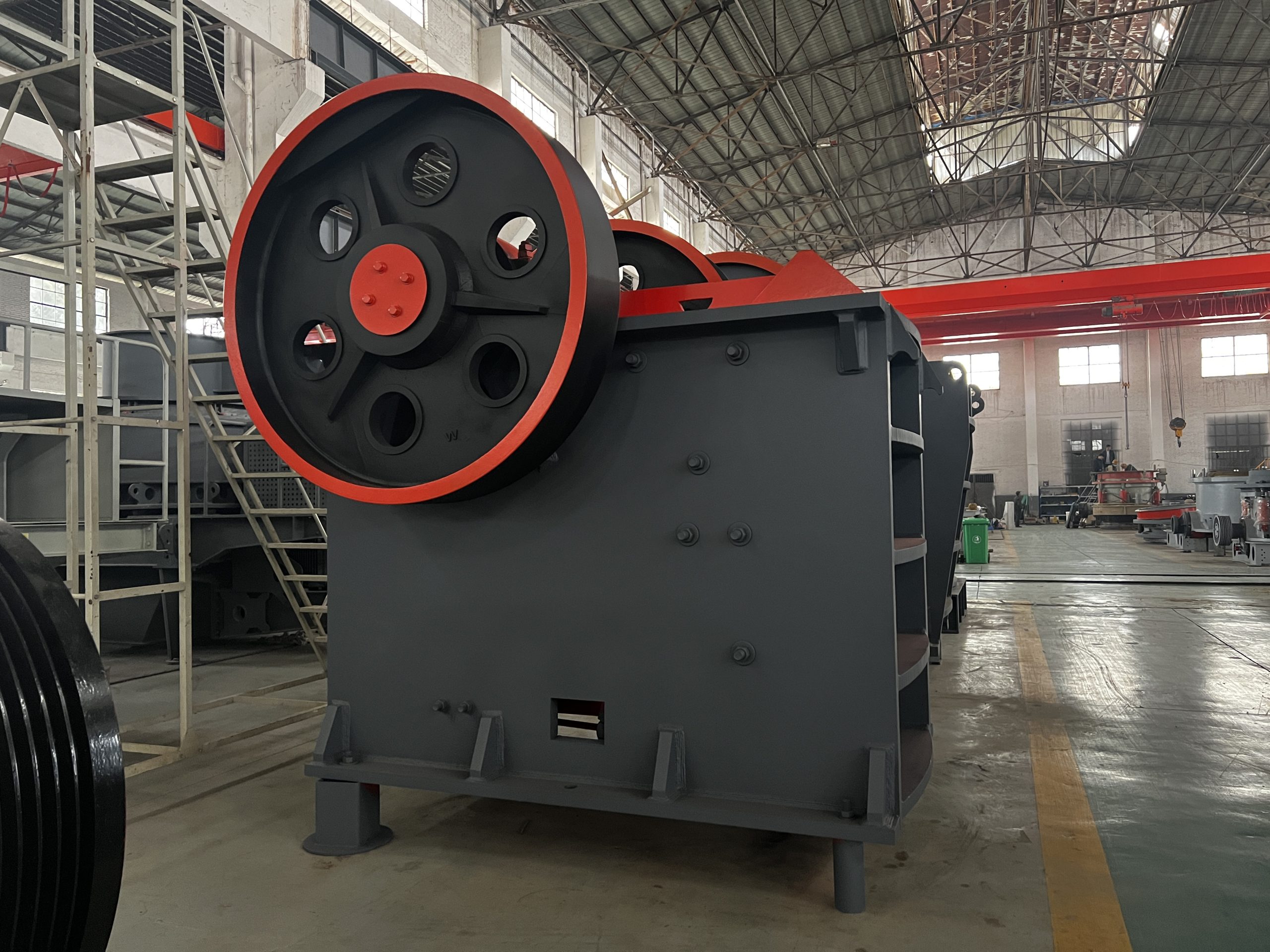
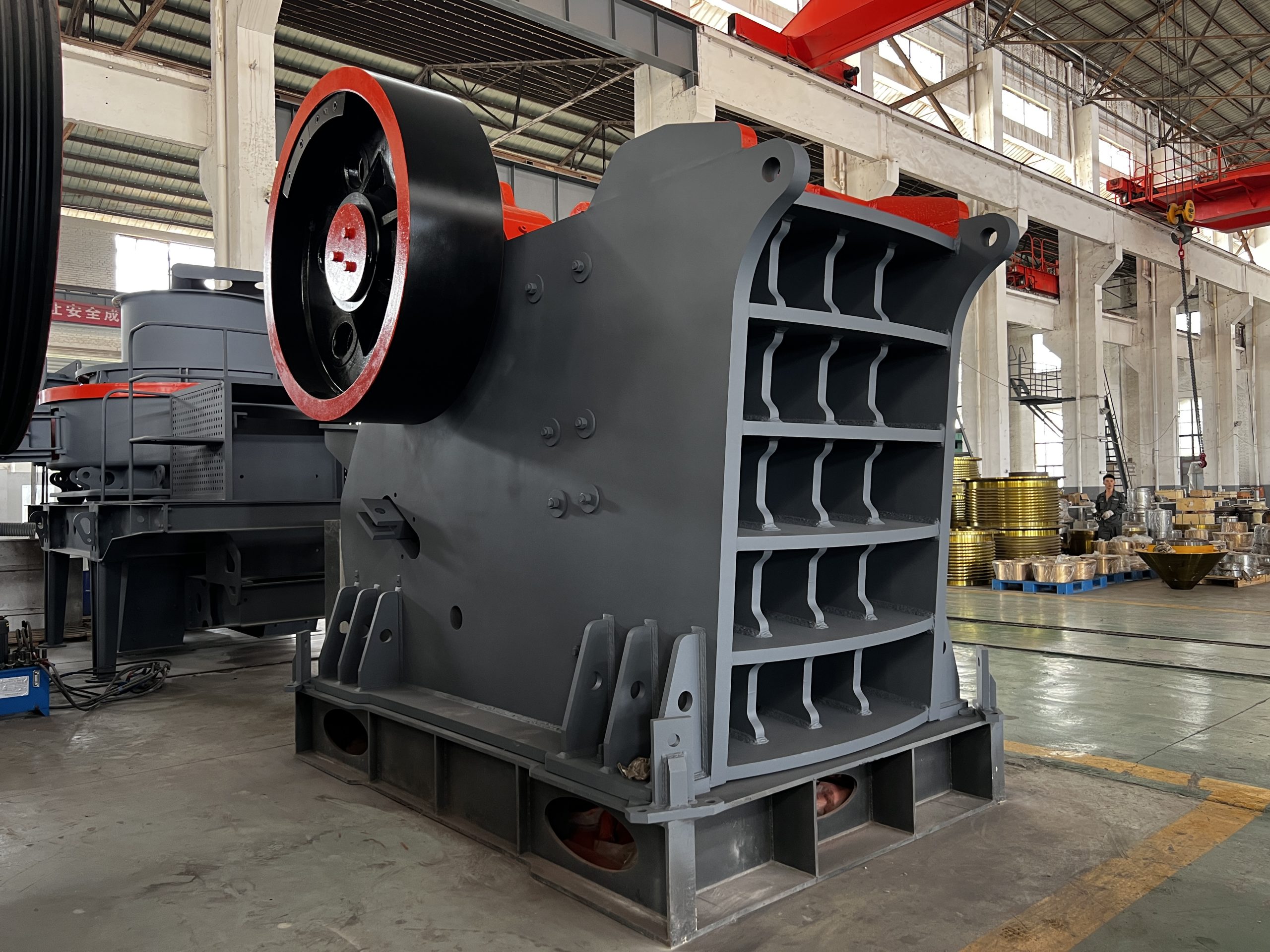
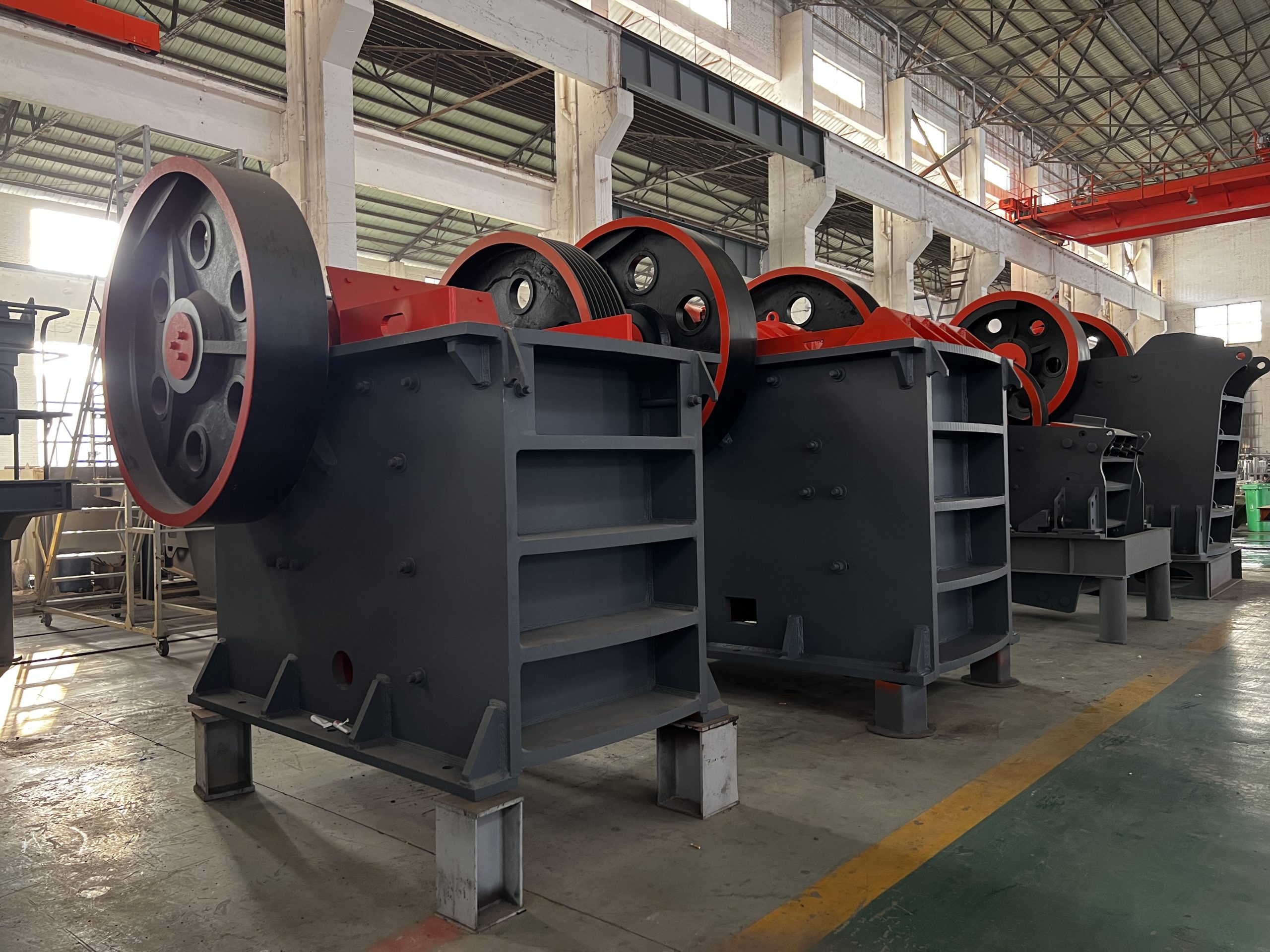
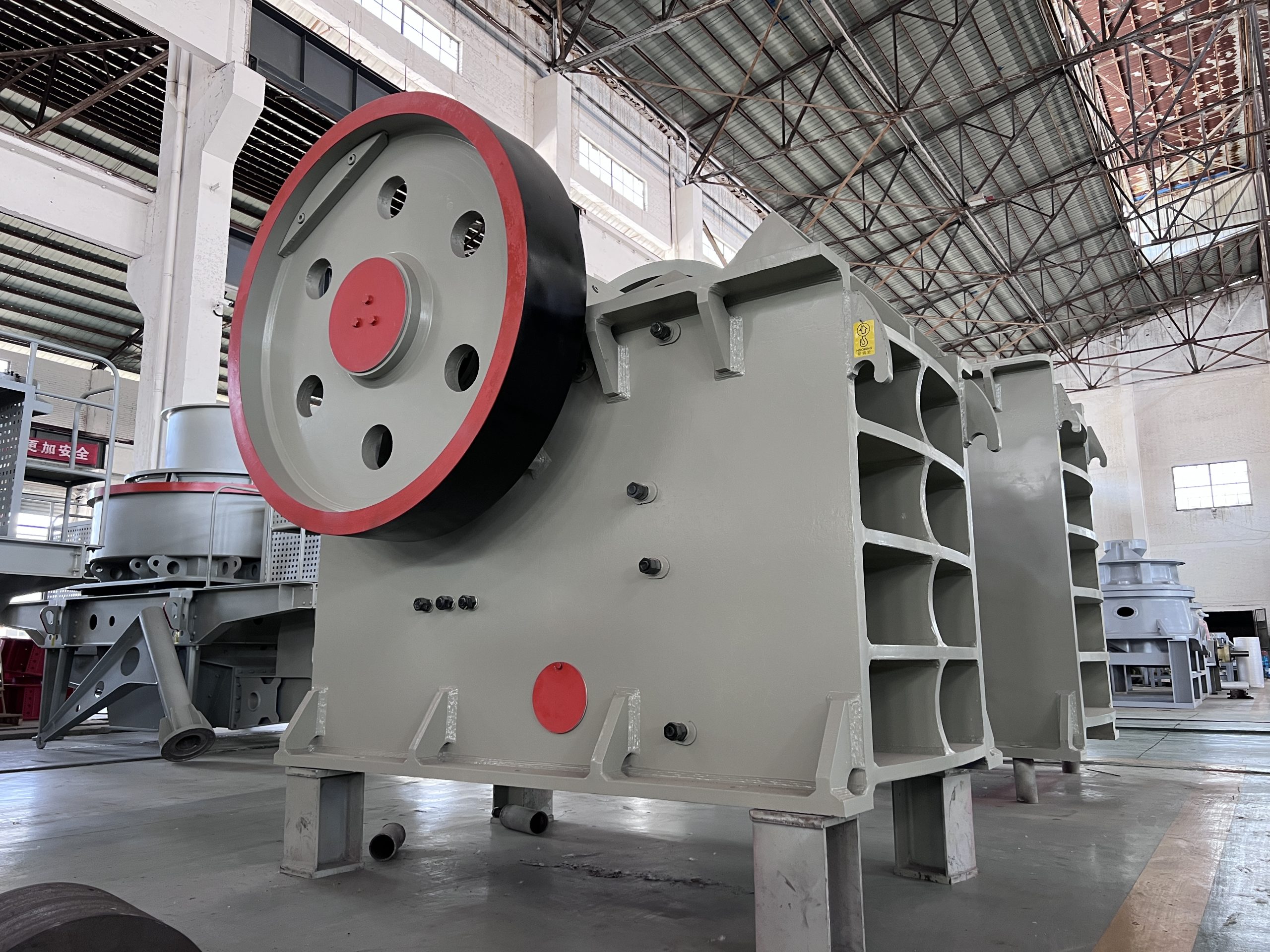
The jaw crusher (colloquially “jaw breaker”) is a core primary crushing machine in mining and construction. Its crushing chamber, formed by a fixed jaw plate and a movable jaw plate, mimics animal jaw movement: the movable jaw swings reciprocally via an eccentric shaft, applying squeezing, bending, and splitting forces to crush large materials into smaller particles.
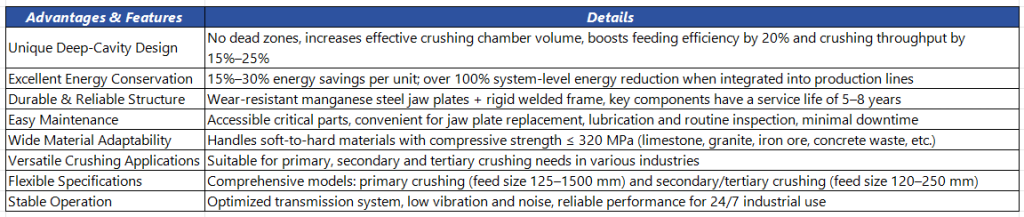
A key functional edge is its deep-cavity design with no dead zones, which boosts feeding efficiency by 20% and crushing throughput by 15%–25% vs. traditional models. It achieves 15%–30% per-unit energy savings (and over 100% system-level savings) via optimized transmission and chamber geometry, cutting operational costs significantly. Built with wear-resistant manganese steel jaws and a rigid welded frame, it ensures 5–8 years of service for key parts; maintenance is straightforward, with easy access to components for jaw plate replacement or lubrication.
Suitable for soft-to-hard materials (≤320 MPa compressive strength) (limestone, granite, iron ore, concrete waste), it serves multiple industries:
- Mining: Primary crushing of large ores (125–1500 mm) for beneficiation/smelting.
- Construction: Aggregate production for concrete/asphalt, and construction waste recycling.
- Infrastructure: Base materials for highways, railways, dams, and tunnel linings.
- Metallurgy/Chemicals: Preprocessing smelting slag or chemical ores for uniform particle sizes.
It offers two main specs:
- Primary models: Feed size 125–1500 mm (bulk material reduction).
- Secondary/tertiary models: Feed size 120–250 mm (medium/fine crushing for refined particles).
Trusted for stable performance in stationary or mobile setups, it’s a versatile workhorse for 24/7 industrial crushing needs.
Working Principle
The crusher employs a reciprocating compression mechanism. During operation, the motor drives the belt and pulley, which in turn moves the movable jaw up and down via an eccentric shaft. When the movable jaw rises, the angle between the toggle plate and the movable jaw increases, pushing the movable jaw plate closer to the fixed jaw plate. Simultaneously, the material is crushed or split, achieving the crushing purpose. When the movable jaw descends, the angle between the toggle plate and the movable jaw decreases, and the movable jaw plate, under the action of the pull rod and spring, moves away from the fixed jaw plate. At this point, the crushed material is discharged from the bottom of the crushing chamber. With the continuous rotation of the motor, the movable jaw of the crusher performs periodic movements to crush and discharge materials, achieving mass production.




Reviews
There are no reviews yet.