
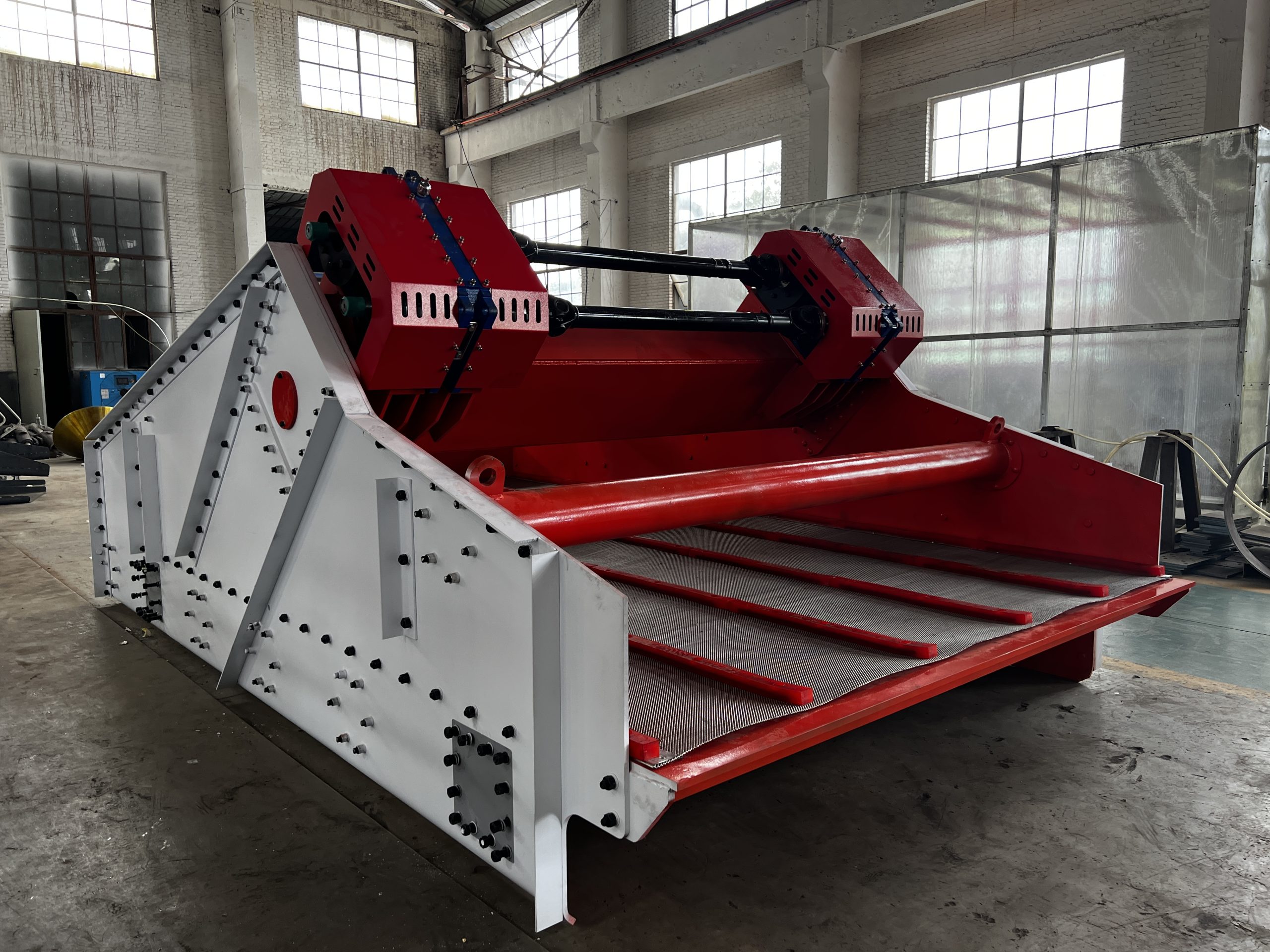
Product Introduction
Key Application Fields:
- Sand & Gravel Industry: Dewatering washed sand (e.g., river pebbles, crushed stone sand) to reduce moisture content (typically to ≤15%) for qualified construction aggregate supply.
- Coal Processing Plants: Recovering coal slime from coal washing wastewater, improving coal resource utilization while reducing sewage discharge.
- Mining & Mineral Processing: Dewatering tailings (residues after ore beneficiation) for “dry discharge”—lowering tailings storage costs and minimizing environmental risks.
- Environmental Engineering: Treating sludge or solid-liquid mixtures in wastewater treatment, concentrating solid particles for subsequent disposal or reuse.
- Chemical Industry: Dewatering granular chemical materials (e.g., mineral powder, chemical residues) to meet drying or packaging requirements.
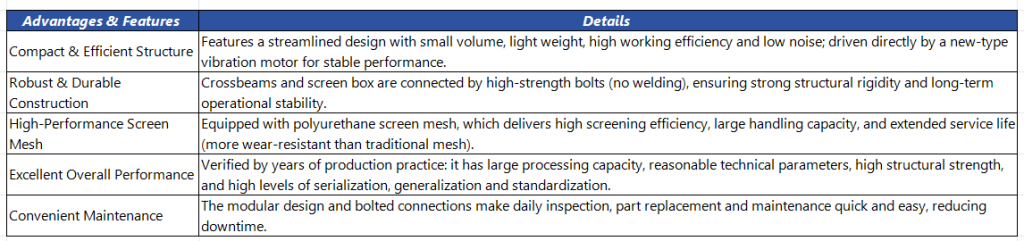
Advantages & Characteristics
Working Principle
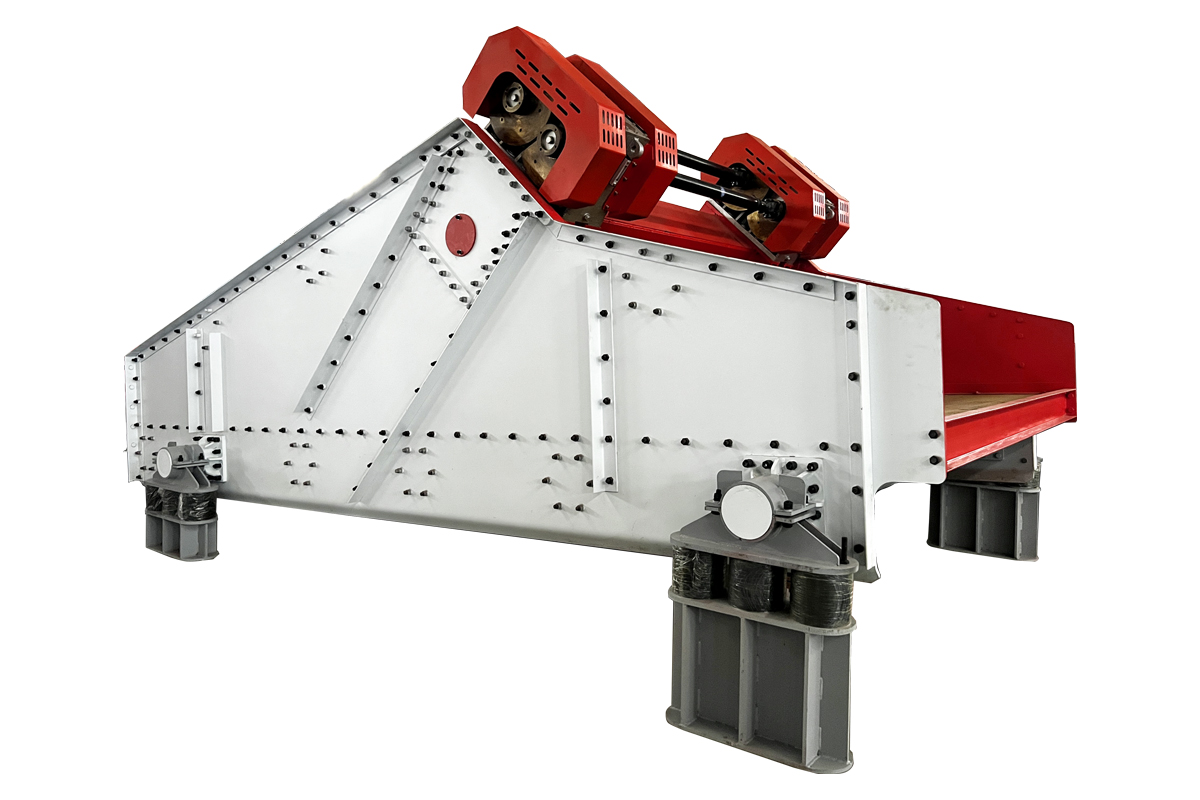
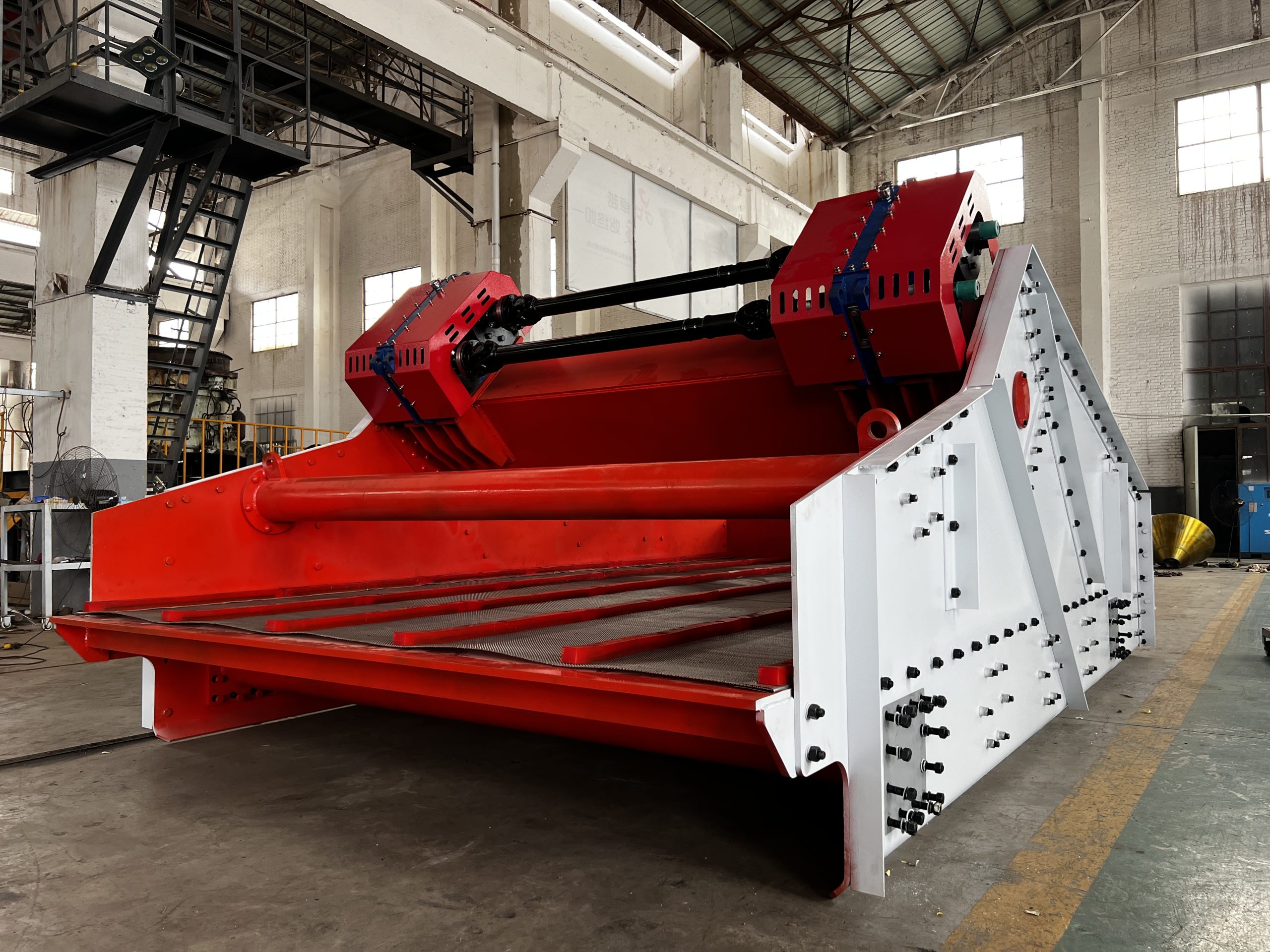
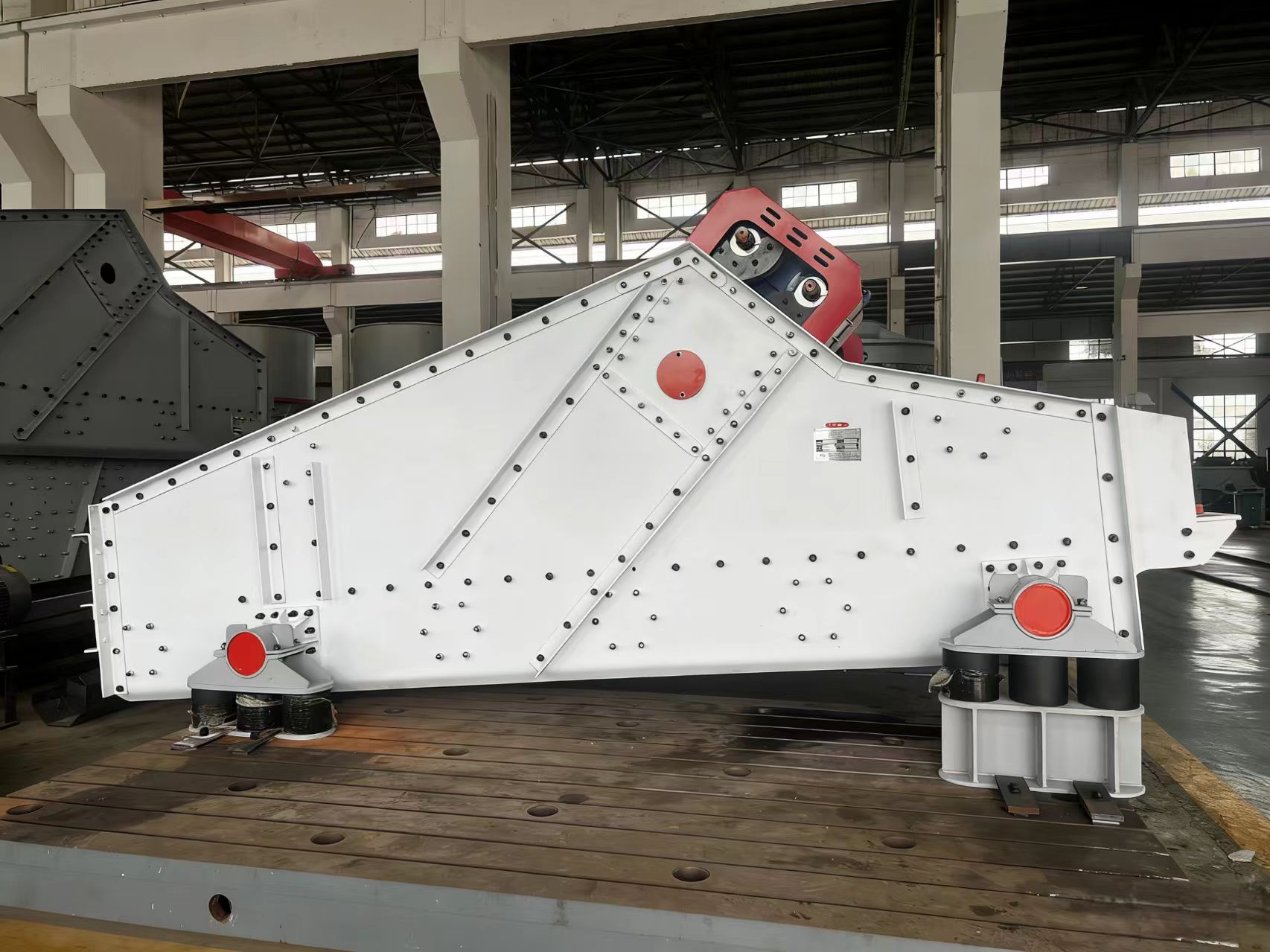
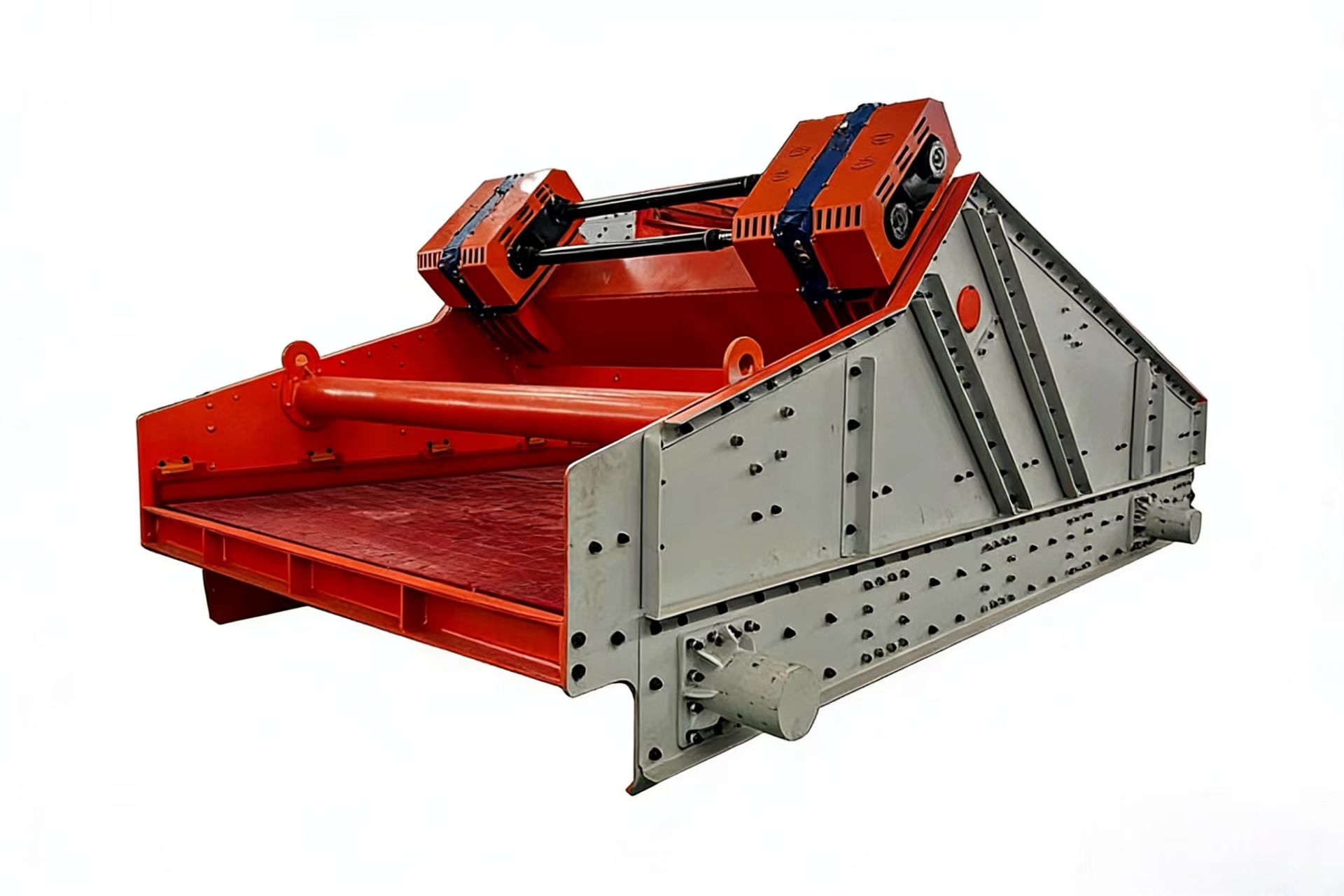
The dewatering screen employs dual-motor self-synchronization technology, a universal eccentric block, and an adjustable amplitude vibrator. It mainly consists of a screen box, vibrator, support system, and motor. Two independent vibrators operate synchronously in opposite directions. The centrifugal forces generated by the two sets of eccentric masses are superimposed along the vibration direction, and the opposing centrifugal forces cancel each other out, thus forming a single excitation vibration along the vibration direction, causing the screen box to perform reciprocating linear motion.
The polyurethane screen plate features an inverted triangular funnel-shaped structure, providing excellent permeability, elasticity, crack resistance, acid resistance, corrosion resistance, and preventing sand clogging. It also exhibits outstanding self-cleaning properties. With a hardness of 95 and a 100% porosity, it boasts excellent wear and corrosion resistance and a long service life.
(1) The sieve plate is made of polyurethane (PU), which is elastic and has an embedded steel plate with a thickness of up to 40mm, making it more load-bearing and pressure-resistant;
(2) The sieve plate has an inverted triangular hole structure with smaller holes on the top and larger holes on the bottom, resulting in higher dewatering efficiency;
(3) The sieve surface moves in a straight line at a negative inclination angle; it can be used for more than 12 months.
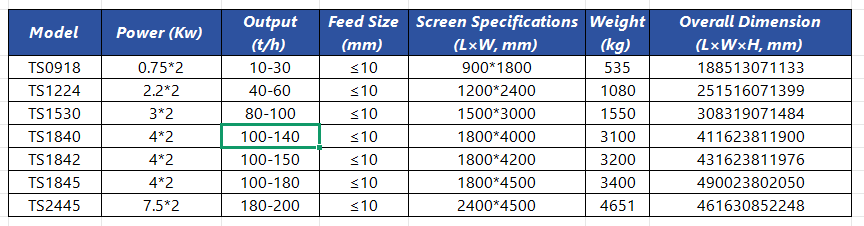
Technical Parameters


Reviews
There are no reviews yet.